
The 5 Types of Bloating (and What Each One Needs)


It usually starts out fine. You wake up with a flat belly, and then somewhere around 3pm your waistband starts digging in. By later afternoon all you can think about is getting home to your stretchy pants.
If that sounds like your day, you're in good company. Bloating is one of the most common reasons people come to see me. And almost all of them have already tried something: a probiotic, a juice cleanse, cutting out a gluten, dairy or sugar. Some of it helped for a week. Most of it didn't stick.
That's not because you did it wrong. It's because bloating isn't one thing.
Why Bloating Isn't One-Size-Fits-All
Bloating is a symptom, not a diagnosis. It's your gut's way of saying something isn't working as smoothly as it could. But the "something" can be very different from person to person.
For one person, food is moving too slowly. For another, gut bacteria are fermenting meals and letting off gas as a by-product. Someone else isn't breaking food down well in the first place. And for plenty of us, hormones or stress are pulling the strings.
That's why the same advice works wonders for your friend and does nothing for you. Different patterns need different support.
In my practice, I see bloating fall into five main patterns. Most people lean toward one or two.
5 Types of Bloating

1. The Slow Mover: bloated and backed up
Signs: your bloat builds through the day and peaks by evening. You go every 2 to 3 days (if you're lucky), and it takes effort. Your belly feels hard, full, and heavy.
Why it happens: when food moves slowly through your gut, it creates pressure and fullness. Low fiber, not enough water, skipped meals, inadequate digestion, and too little movement can all slow things down. So can low thyroid function and shifting estrogen.
What helps:
Add fiber slowly, alongside more water. Chia seeds, ground flaxseed, oats, and kiwi are great places to start. Fiber without fluid can make things worse.
Try bitters before meals to get digestion going.
Take a 10-minute walk after your biggest meal.
2. The Fermenter: gassy after eating certain foods
Signs: gas builds fast, usually within an hour of eating. Garlic, onions, beans, and even "healthy" high-fiber meals seem to set you off. Your belly feels stretched and sometimes noisy.
Why it happens: this pattern often points to an imbalance in your gut bacteria, where some microbes ferment food before your body can use it. Past antibiotics, stress, low stomach acid, sugar-free snacks, and grazing all day can shift that balance.
What helps:
Space meals 3 to 4 hours apart. Your gut runs a cleanup cycle between meals, and constant snacking interrupts it.
Swap raw veggies for cooked ones for 2 weeks and see if you notice a difference.
Check labels for sugar alcohols (anything ending in -itol). They're major gas makers.
Not sure which type you are? Take the free 2-minute quiz to find your bloat type and the first steps that fit you.
3. The Low Fire: bloated right after meals
Signs: you feel heavy and full soon after eating, even after small meals. Protein sits like a brick. You might notice burping, heartburn, or undigested food in your stool.
Why it happens: digestion starts in your stomach, with stomach acid, enzymes, and bile doing the heavy lifting. Stress, eating fast, age, and long-term use of acid-reducing medications can all turn that digestive fire down, so food sits longer than it should.
What helps:
Sit down and chew until your food is almost smooth. Digestion starts in your mouth.
Start meals with something bitter, like arugula or dandelion greens, or take a bitters tincture about 10 minutes before eating.
Eat protein at your calmest meal of the day, not on the run.

4. The Hormonal Tide: bloating that follows your cycle
Signs: your belly swells the week before your period, or bloating showed up around perimenopause. You feel puffy all over, with tight rings and jeans.
Why it happens: your gut and hormones are in constant conversation. Your gut helps clear used-up estrogen, and when that process is off, hormones can recirculate. Shifting hormone levels can also bring water retention and slower digestion.
What helps:
Eat a cruciferous veggie daily, like broccoli, cabbage, or arugula, to support liver health and estrogen balance.
Track your bloating alongside your cycle for a month. Patterns are clues.
Go easy on salty, fried, and gluten-containing foods the week before your period.
5. The Stress Belly: bloating on busy weeks
Signs: bloating, cramping, and an unpredictable gut show up when life gets hectic and disappear on vacation. You eat on the go, wake up at 3am with a racing mind, and lean on coffee to get through the day.
Why it happens: your gut and brain are tightly connected. When you're in "go mode," your body puts digestion on hold. Over time, chronic stress can also shift your gut bacteria and turn down stomach acid.
What helps:
Take 3 slow breaths before your first bite. It signals your body to switch into digestion mode.
Eat sitting down, without a screen.
Keep meal times steady. Skipped meals plus caffeine is a stress signal.
A note on bitters: skip them if you're pregnant or have ulcers or gallbladder issues, and check with your provider first.
What if you're more than one type?
Most people are. These patterns feed each other:
Low Fire and Fermenter: when food isn't broken down well up top, there's more for bacteria to ferment further down.
Stress Belly and Low Fire: stress turns down stomach acid, so food sits heavier.
Slow Mover and Hormonal Tide: regular bowel movements are one of the ways your body clears used-up hormones.
This is where guessing gets expensive. You can spend months (or years) cutting foods and trying supplements without knowing which pattern to address first. Testing takes the guesswork out.
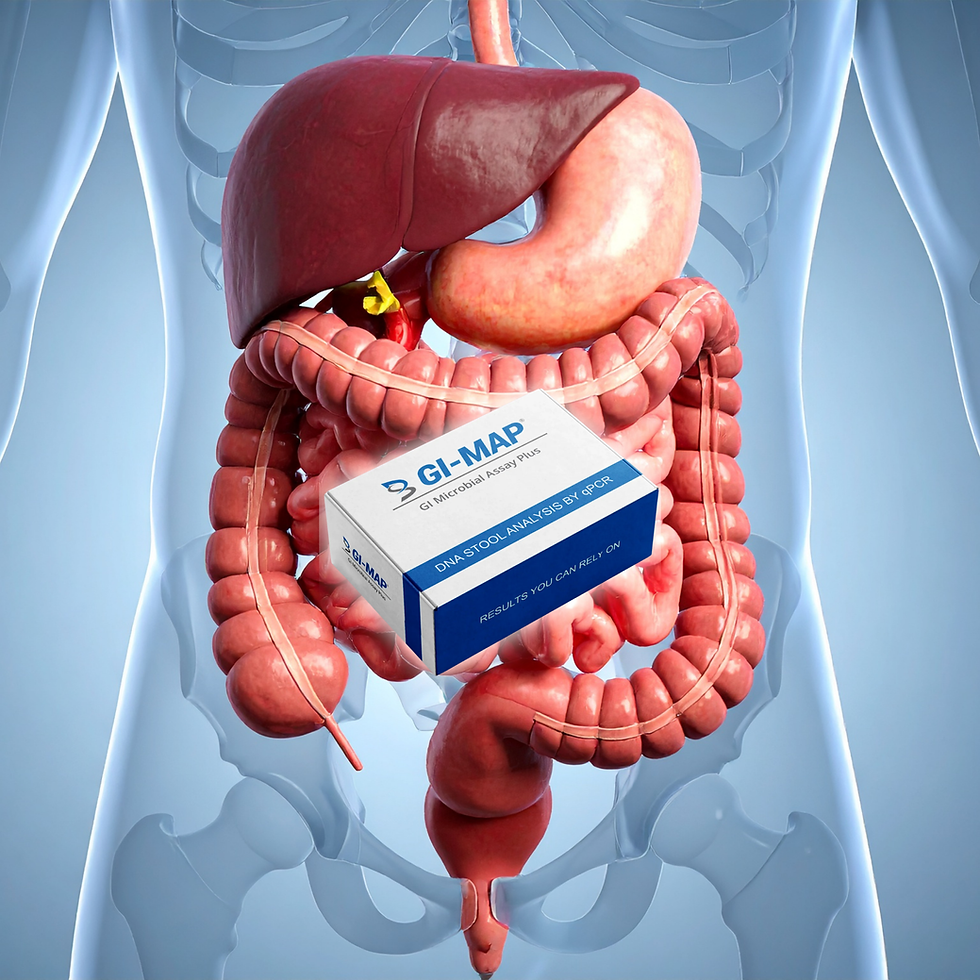
The Gut Clarity Test
A GI-MAP Stool test you take at home, plus a personalized video where I walk you through your results and where to go next to start feeling better. See what's actually going on with your gut bacteria, digestion and gut health markers so you can stop guessing.
The Ultimate Gut Reset Program

A step-by-step program to calm the bloat and build a gut that works with you, not against you. Perfect if you want structure and real guidance at your own pace. In as little as 12 weeks you can transform your gut health to reduce bloating, boost energy, improve sleep, reduce inflammation and shed unwanted pounds.
When to see a doctor
Check in with your doctor if your bloating comes with any of these:
Unexplained weight loss
Blood in your stool or black, tarry stools
Severe or worsening abdominal pain
Persistent vomiting
Bloating that's constant and new, especially after age 50
A family history of colon or ovarian cancer
Persistent bloating can be an early sign of something more serious, so if your bloating is new and doesn't come and go, it's worth getting checked.
FAQ
Why am I bloated every day? Daily bloating usually points to a pattern, not a one-off meal. Common drivers include slow digestion, an imbalance in gut bacteria, low stomach acid, hormonal shifts, and chronic stress. Figuring out which one is behind yours is the first step.
Why do I get bloated after eating healthy food? High-fiber foods like beans, raw veggies, and smoothies can be tough to handle when gut bacteria are out of balance or digestion is sluggish. It doesn't mean those foods are bad. It means your gut may need some support first.
Can hormones cause bloating? Yes. Bloating before your period and during perimenopause is common. Your gut helps clear used-up estrogen, and shifting hormones can bring water retention and slower digestion.
Can stress cause bloating? Absolutely. Your gut and brain are closely linked. Stress slows digestion, can lower stomach acid, and over time can shift your gut bacteria.
How do I know what's causing my bloating? Start by noticing when it happens and what makes it better or worse. The bloat type quiz can help you spot your pattern. For a clearer picture, a GI-MAP stool test looks at your gut bacteria, digestion, and gut health markers.
Find your bloat type
Your bloat isn't random. It's trying to tell you something, and once you know your pattern, you can stop guessing and start giving your body what it actually needs.
This post is for educational purposes only and isn't a substitute for medical advice.


Comments